
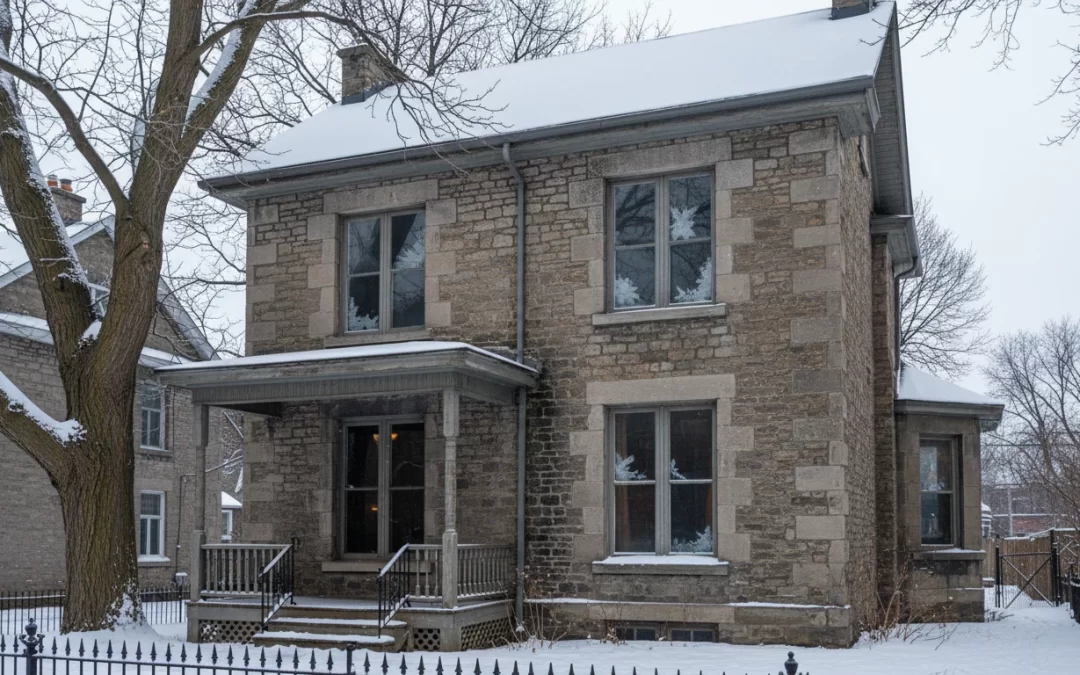
As someone who’s spent years advising homeowners in Greater Montreal on home improvements, I’ve seen firsthand how old windows can turn a cozy living space into a drafty, inefficient headache – especially during our brutal winters. Montreal’s climate, with average January temperatures hovering around -9°C and dipping as low as -16°C, puts immense stress on residential windows through freeze-thaw cycles and biting winds. If you’re noticing issues like rising Hydro-Québec bills or foggy glass, it might be more than just the weather at play. Recognizing these window replacement signs early can prevent bigger problems, like energy waste or structural damage, and help you upgrade to premium, energy-efficient solutions that enhance comfort and value.
In this guide, tailored for Montreal-area homeowners like you who value quality and long-term savings, we’ll explore seven key indicators that it’s time for a change. Drawing from real experiences and reliable data – like how windows account for up to 35% of a home’s heat loss in Canada – I’ll explain each sign, why it matters in our local conditions, and practical steps forward. Remember, addressing these proactively can lead to annual energy savings of 7-12% or more, according to Natural Resources Canada and ENERGY STAR guidelines.
Window Air Leakage Problems: Feeling Drafts and Cold Spots?
One of the most common complaints I hear from Montreal homeowners is that chilly air seeps in around the edges of their windows, even when closed tight. This is a classic case of air leakage, where gaps in seals or frames allow outdoor cold to infiltrate your home. In my experience, this often stems from aging materials that warp over time due to our extreme temperature swings – think those -20°C wind chills in February.
To detect it yourself, try a simple candle test: Light a candle and hold it near the window frame on a windy day. If the flame flickers or bends, you’ve got leakage. According to the U.S. Department of Energy (which aligns with Canadian standards), air leaks can account for 10-25% of heating loss, spiking your bills unnecessarily. For a family in a middle-income household here in Laval or Brossard, that could mean hundreds extra per winter on heating.
If drafts are disrupting your comfort, it’s a strong signal for replacement. Modern UPVC windows with multi-chamber frames and airtight seals can eliminate this issue. Ready to check your home? Schedule a free consultation with our experts to assess air leakage and explore tailored solutions.
Window Condensation Problems: Foggy Glass and Moisture Buildup
Waking up to foggy windows on a crisp Montreal morning might seem harmless, but it’s often a red flag for deeper issues. Condensation happens when warm, humid indoor air meets the cold glass surface, forming droplets – much like dew on your car. In severe cases, it leads to mold growth or wood rot around frames, which I’ve seen compromise entire window structures in older West Island homes.
Causes include high indoor humidity (from cooking, showers, or poor ventilation) combined with inefficient single- or double-pane glass that can’t maintain warmth. Freeze-thaw cycles exacerbate this, cracking seals and allowing moisture between panes, resulting in permanent fogging. Solutions start with better airflow – use exhaust fans or a dehumidifier – but if the problem persists, it’s time for an upgrade. Triple-glazed windows with low-E coatings and argon gas fill, as recommended by ENERGY STAR, reduce condensation by improving thermal performance and can cut energy loss by up to 50%.
Don’t let moisture damage escalate. Contact us today for a no-obligation quote on condensation-resistant windows designed for Quebec’s humid summers and icy winters.
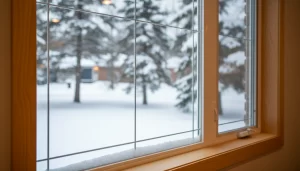
Rising Energy Bills: The Hidden Cost of Inefficient Windows
Have you noticed your Hydro-Québec statements creeping up, even when you’re mindful of thermostat settings? Old windows are notorious culprits, letting heat escape and forcing your furnace to work overtime. In Canada, outdated windows contribute to 25-30% of residential energy use for heating and cooling, per Department of Energy data. For Montreal homeowners, this translates to potential savings of $101-583 annually by switching to ENERGY STAR-certified models.
From my work with families in Longueuil, I’ve observed that homes with 20+ year-old windows often see 30-40% more heat loss during winter peaks. Upgrading to energy-efficient options with low-E glass not only lowers bills but also qualifies for rebates through programs like Quebec’s energy efficiency incentives. If your costs are climbing without explanation, evaluate your windows – it’s an investment that pays back quickly.
Curious about potential savings for your home? Reach out for a free energy assessment and see how premium replacements can make a difference.
Difficulty Operating Windows: Sticking, Warping, or Hard to Open
Windows should glide open effortlessly for fresh air on those mild spring days, but if yours stick, jam, or require muscle to budge, it’s a sign of wear. Warped frames from Montreal’s humidity fluctuations or rusted hardware from salt-laden winter air are common offenders. I’ve helped countless homeowners who ignored this until it became a safety issue – imagine struggling to open a window during an emergency.
This problem often ties back to poor insulation or material degradation, leading to further energy inefficiency. Replacing with smooth-operating casement or awning styles in durable UPVC can restore functionality while boosting security and aesthetics.
If operation woes are frustrating you, book a consultation now to discuss easy-to-use, modern window solutions.
Visible Damage: Cracks, Rot, or Decay
Physical wear is hard to miss – cracked glass, rotting wooden frames, or peeling paint signal urgent replacement needs. In Greater Montreal’s harsh environment, with heavy snow and ice buildup, these issues accelerate. Cracks not only look unsightly but also worsen air and water infiltration, risking interior damage.
A table of common damage types and impacts:
| Damage Type | Common Cause in Montreal | Potential Impact |
| Cracked Glass | Freeze-thaw stress | Energy loss, safety hazard |
| Frame Rot | Moisture from condensation | Structural weakness, mold growth |
| Peeling Seals | UV exposure and age | Increased drafts, higher bills |
Based on industry insights, visible damage often means windows are beyond repair. Opt for impact-resistant, fade-proof replacements to withstand our weather.
Spotting damage? Get in touch for a professional inspection and protect your investment.
Excessive Noise Intrusion: Hearing Too Much from Outside
Living near busy streets in Côte-Saint-Luc or Saint-Laurent? If traffic or neighborhood sounds penetrate easily, your windows aren’t insulating properly. Soundproofing improves with thicker glazing and tight seals – something older models lack.
Energy-efficient upgrades can reduce noise by 50% or more, creating a quieter haven. In my experience, this benefit alone transforms homes for families seeking peace.
To quiet your space, request a quote on noise-reducing windows today.
Outdated Style or Poor Curb Appeal: Time for a Modern Upgrade
Finally, if your windows look dated, they might not just be aesthetic drags – they’re likely inefficient too. Montreal homes benefit from contemporary designs that enhance property value, with before-and-after transformations showing dramatic improvements in curb appeal and light flow.
For window replacement, homeowners prioritizing style, modern options like picture or bay windows add elegance while delivering energy perks.
As a trusted local specialist, Unisson Groupe offers premium residential solutions focused on energy efficiency and full-service projects – from consultation to installation. Their expertise aligns perfectly with what Montreal homeowners need.
Best Time for Window Replacement: Planning Your Next Steps
While signs can appear anytime, the best time for window replacement in Montreal is spring or fall, when milder weather (10-20°C) allows seamless installation without extreme cold disrupting the process. Avoid peak winter if possible, but pros can handle year-round with proper techniques. Planning now ensures you’re ready before the next freeze.
Upgrading isn’t just about fixing problems – it’s about gaining comfort, savings, and peace of mind. With benefits like UV protection, reduced carbon footprint, and rebates, it’s a smart move for middle-to-upper-income households.
If any of these signs resonate, don’t wait. Contact our team for personalized guidance and start your journey to a more efficient home.