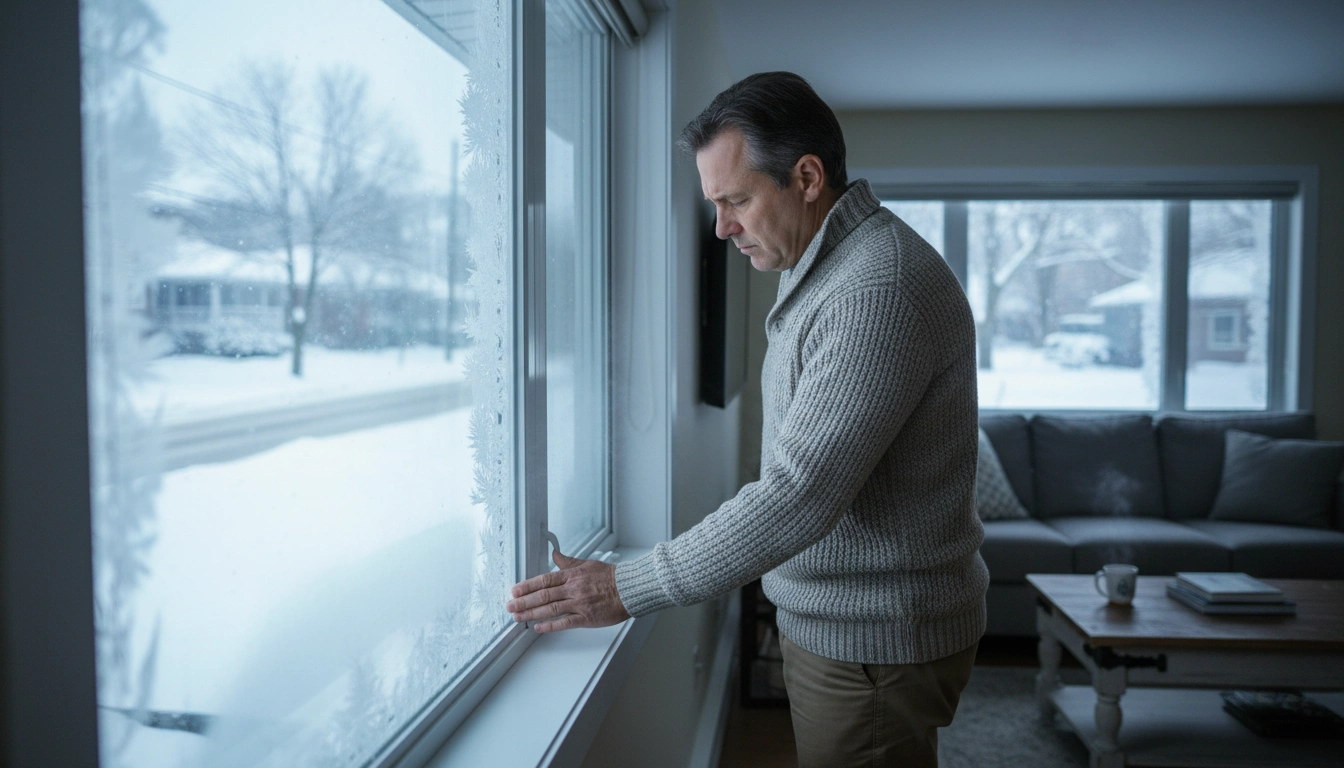
Have you ever stood near a window in January and felt a chill creeping in, despite your heating system working overtime? In Montreal, where temperatures average around −9°C to −10°C in winter, with lows often plunging to −16°C or below, this is a common experience for homeowners dealing with air leakage.
We recently assisted a family in Laval who noticed their living room stayed stubbornly cold despite a new furnace. It turned out that subtle gaps around their old frames were letting warm air escape like a sieve. Air leakage happens when cracks, gaps, or worn seals allow conditioned air to slip out and outdoor elements to creep in, contributing to 25–40% of a home’s heating and cooling energy loss.
Common Causes of Air Leakage in Montreal Homes
Montreal’s extreme weather – biting winds, heavy snow, and temperature swings – accelerates wear on window components, turning minor flaws into major energy drains. Poor installation allows gaps to form over time, letting air whistle through. Damaged weatherstripping or caulking, eroded by salt from winter roads or UV exposure, is another frequent culprit.
- Aging seals: Rubber or foam strips crack after 5–10 years, especially in vinyl or fiberglass frames exposed to freeze-thaw cycles.
- Frame warping: Wood expands and contracts with humidity, while aluminum conducts cold, worsening gaps.
- Improper sizing: Oversized or undersized units leave voids that sealant can’t fully cover.
- External factors: Ice buildup or storm damage pries edges apart, common in suburbs like Brossard or Longueuil.
Working with West Island residents, we’ve seen these issues often go unnoticed until bills climb 10–25%, as leaks force heating systems to overcompensate.
Diagnostic tip: Hold a lit incense stick near window edges on a windy day – if the smoke dances, you’ve got infiltration.
Window Condensation Problems: A Side Effect of Leaks
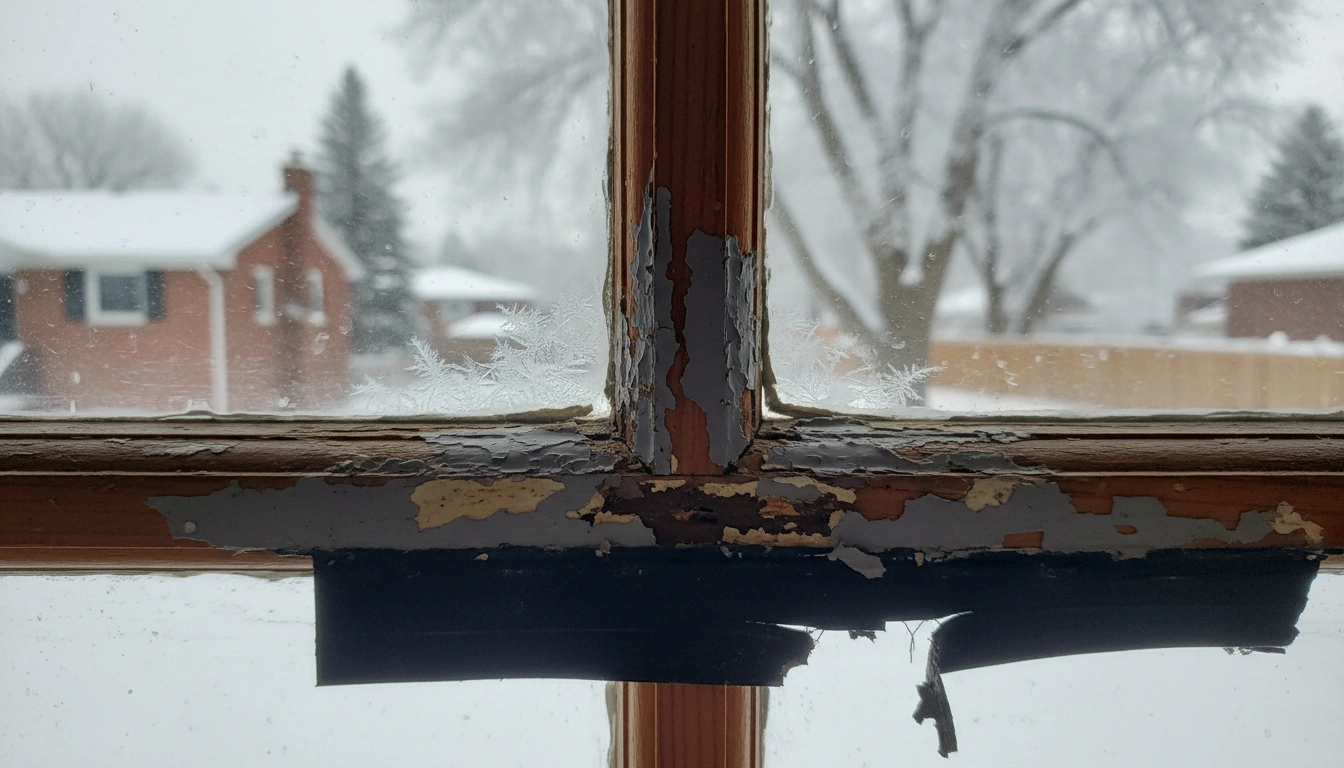
Drafts from leaks cool interior glass, causing warm indoor air to condense into droplets – a double whammy that signals inefficiency. In humid Quebec winters, this moisture can lead to mold, rot, or foggy panes between layers if seals fail.
Homeowners in Saint-Laurent often report this combination: leaky frames let cold in, dropping surface temps below the dew point (around 30–40% indoor humidity), turning windows into unintended humidifiers.
- Health risks: Dampness breeds allergens, affecting air quality.
- Structural damage: Water seeps into walls, causing peeling paint or weakened frames.
- Energy waste: Condensation means heat is escaping, adding to those 25–30% losses through poor-performing units.
Temporary wipes won’t cut it; addressing leaks at the source prevents recurrence.
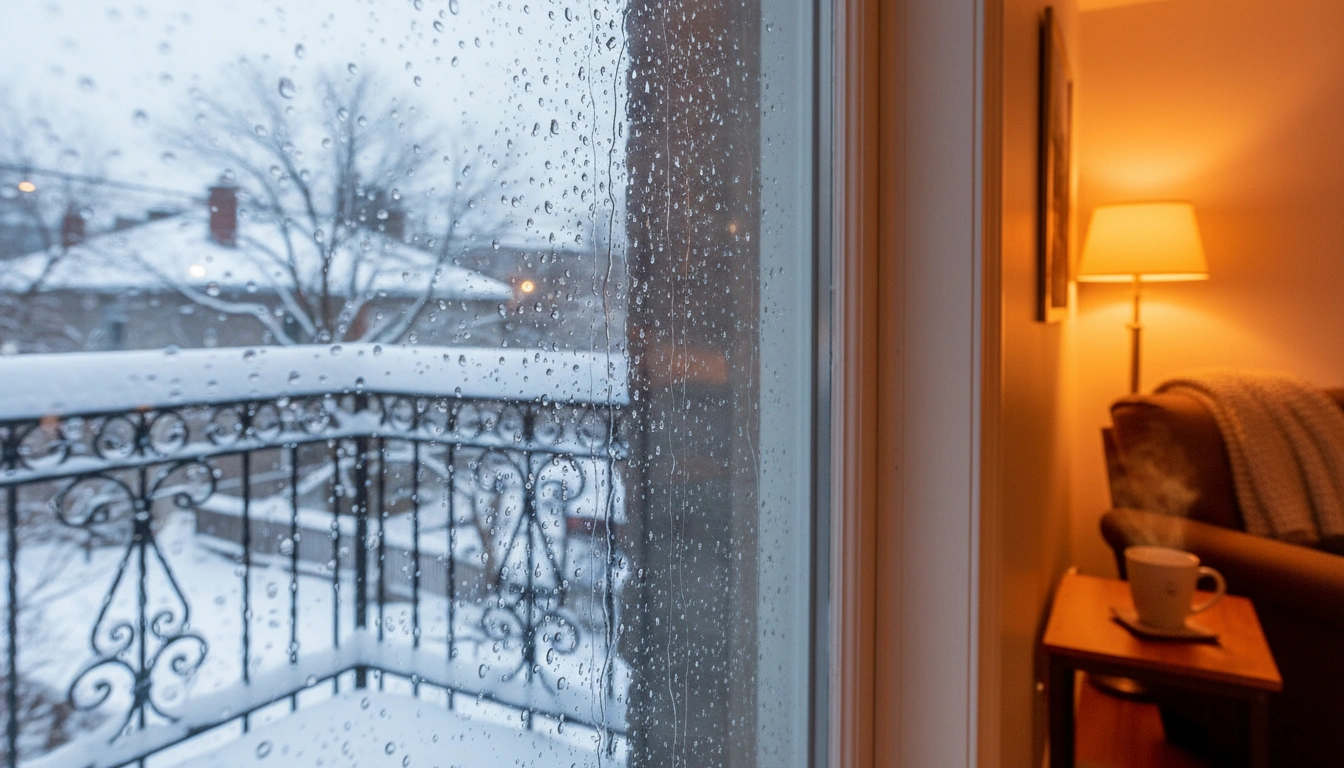
Energy Efficient Windows Benefits: Sealing Leaks for Savings and Comfort
ENERGY STAR-certified options can slash heat loss by 20%, translating to 7–12% annual bill reductions – or $200–$600 for a typical Montreal household. These windows feature multi-chamber frames and tight seals that block drafts, maintaining even warmth without over-relying on heating.
- Lower costs: Qualify for Quebec’s Rénoclimat rebate at $150 per rough opening in 2026.
- Improved durability: Resist warping in our salty, icy conditions.
- Enhanced comfort: Fewer cold spots and better humidity control.
Plus, energy-efficient windows boost resale value by 10–15%, appealing to efficiency-minded buyers.
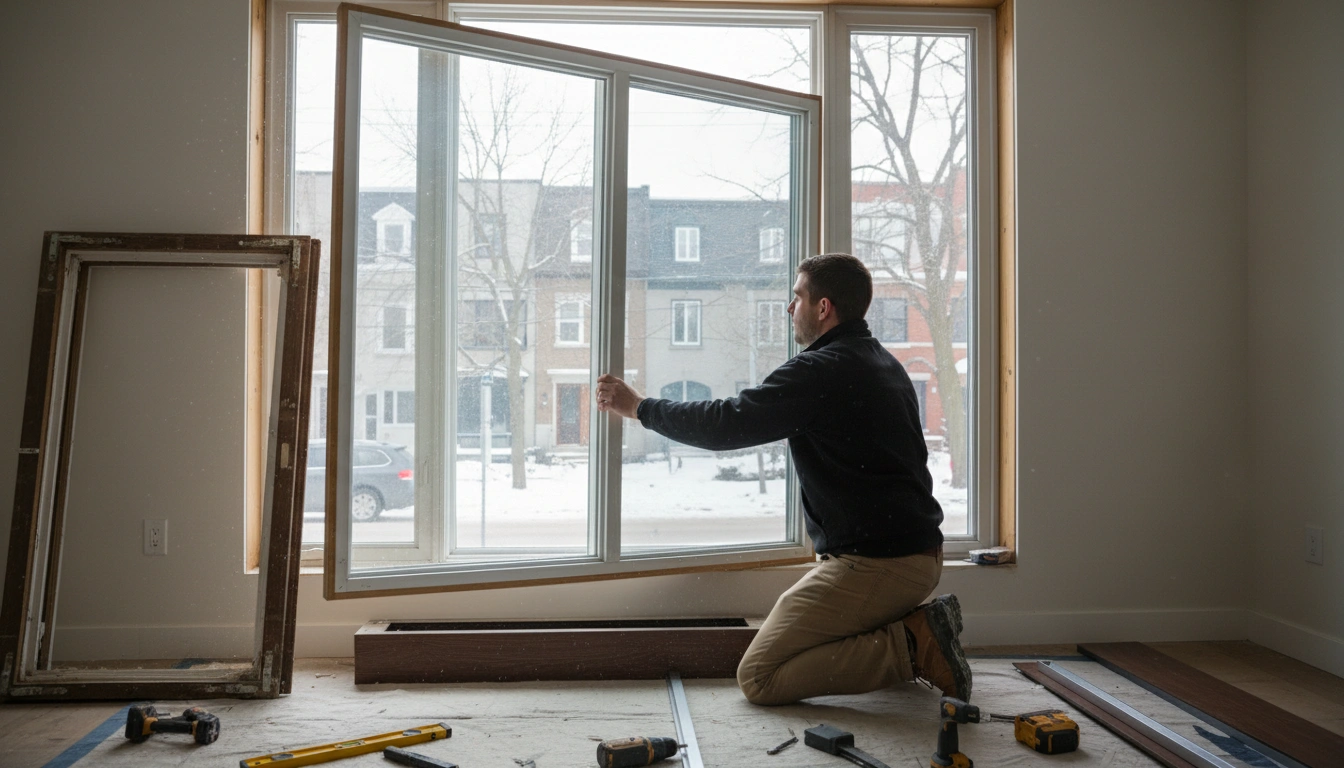
Triple Pane Windows Explained: Leak-Proof Insulation for Harsh Winters
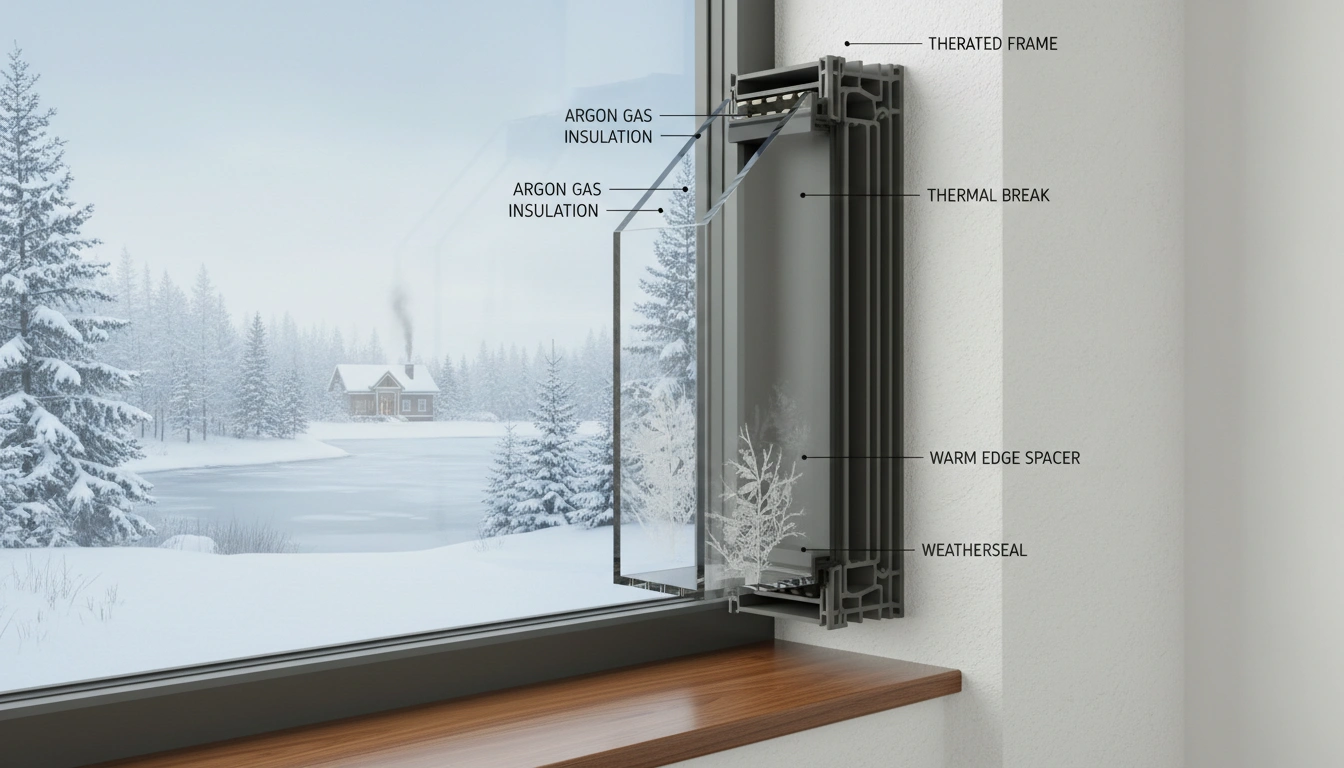
Triple-pane windows layer three glass sheets with gas-filled spaces, creating robust barriers against infiltration – up to 50% better than double-pane at retaining heat. In Montreal’s sub-zero spells, this means warmer edges and no drafts sneaking through.
- Argon gas fills: Slow conduction, adding 20–30% efficiency.
- Multi-chamber frames: Prevent thermal bridging, common in fiberglass or vinyl.
- Low-E coatings: Reflect heat inward, curbing leaks’ chill.
Clients in Côte-Saint-Luc who upgraded note quieter interiors too, as the design dampens wind noise significantly.
Soundproof Windows in Montreal: Blocking Noise Along With Leaks
Leaky frames let in more than cold – traffic noise from busy streets in Côte-des-Neiges or highway drone in Dorval slips through too. Efficient replacements with laminated glass or multiple panes reduce sound by 30–50%, creating peaceful sanctuaries. This dual benefit enhances livability, especially for families seeking tranquility amid urban life.
Vinyl and Fiberglass Windows: Durable Choices for Leak Resistance
Vinyl (UPVC) offers affordable, low-maintenance seals that resist warping, ideal for humid summers and icy winters. Fiberglass adds strength, withstanding Montreal’s salt without corroding, for 20+ years of leak-free performance.
| Material | Leak Resistance | Durability in Montreal | Energy Efficiency Boost |
|---|---|---|---|
| Vinyl (UPVC) | High (fusion-welded) | Good vs. humidity/salt | Up to 20% savings |
| Fiberglass | Excellent (rigid) | Superior vs. extremes | 25–30% reduction |
| Wood (clad) | Moderate (needs care) | Fair with maintenance | 15–20% if insulated |
Cost Considerations: Investing in Leak Fixes
Temporary seals cost $50–$200, but full replacements average $500–$2,000 per unit, with Quebec rebates offsetting 20–30%. When you factor in the energy savings of $200–$600 per year and the 10–15% boost to resale value, the investment pays for itself within a few years.
Prevention Tips: Maintaining Leak-Free Windows
Inspect seals annually, clean tracks, and use dehumidifiers to keep humidity at 30–40%. Professional tune-ups every 5 years catch issues early, before they become costly problems. Pay special attention to south-facing and west-facing windows, which take the most weather abuse.
Frequently Asked Questions
What causes window air leakage in Montreal homes?
Gaps from worn seals, poor installation, or weather damage let cold air in, worsened by Montreal’s freeze-thaw cycles. Rubber or foam strips crack after 5–10 years, frames warp with humidity, and ice buildup pries edges apart.
How do leaks affect energy efficiency?
Air leakage causes 25–40% of heating loss, raising bills by 10–25% as heating systems overwork to compensate for the escaping warm air.
Can energy-efficient windows fix leaks?
Yes. ENERGY STAR-certified windows seal tightly, cutting losses by 20% and qualifying for Quebec’s Rénoclimat rebate at $150 per rough opening in 2026.
Are triple-pane windows good for leak prevention?
Absolutely. Their multi-layer design with gas fills blocks infiltration, reducing drafts by up to 50% compared to double-pane windows.
How do leaks relate to condensation?
Drafts cool interior glass surfaces, causing warm indoor air to condense into droplets. Fixing leaks warms surfaces and curbs fog and moisture buildup.