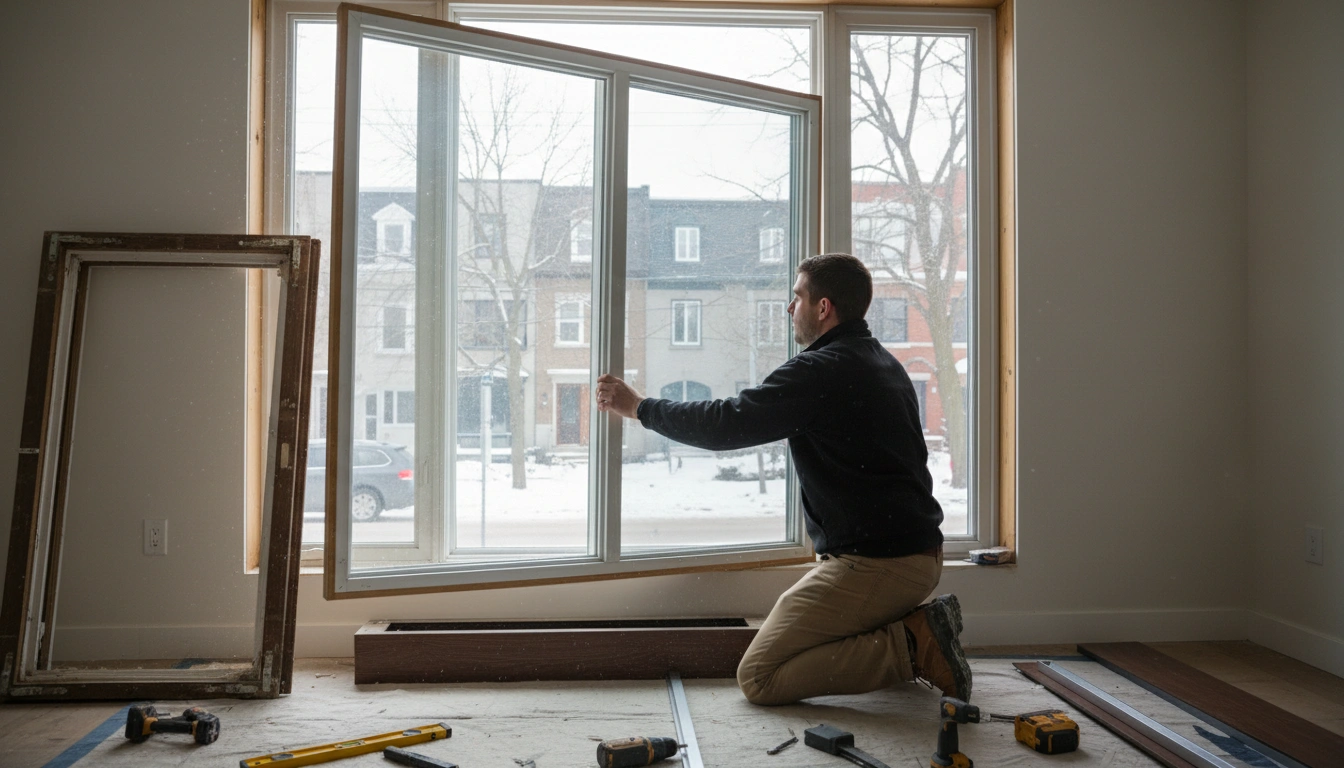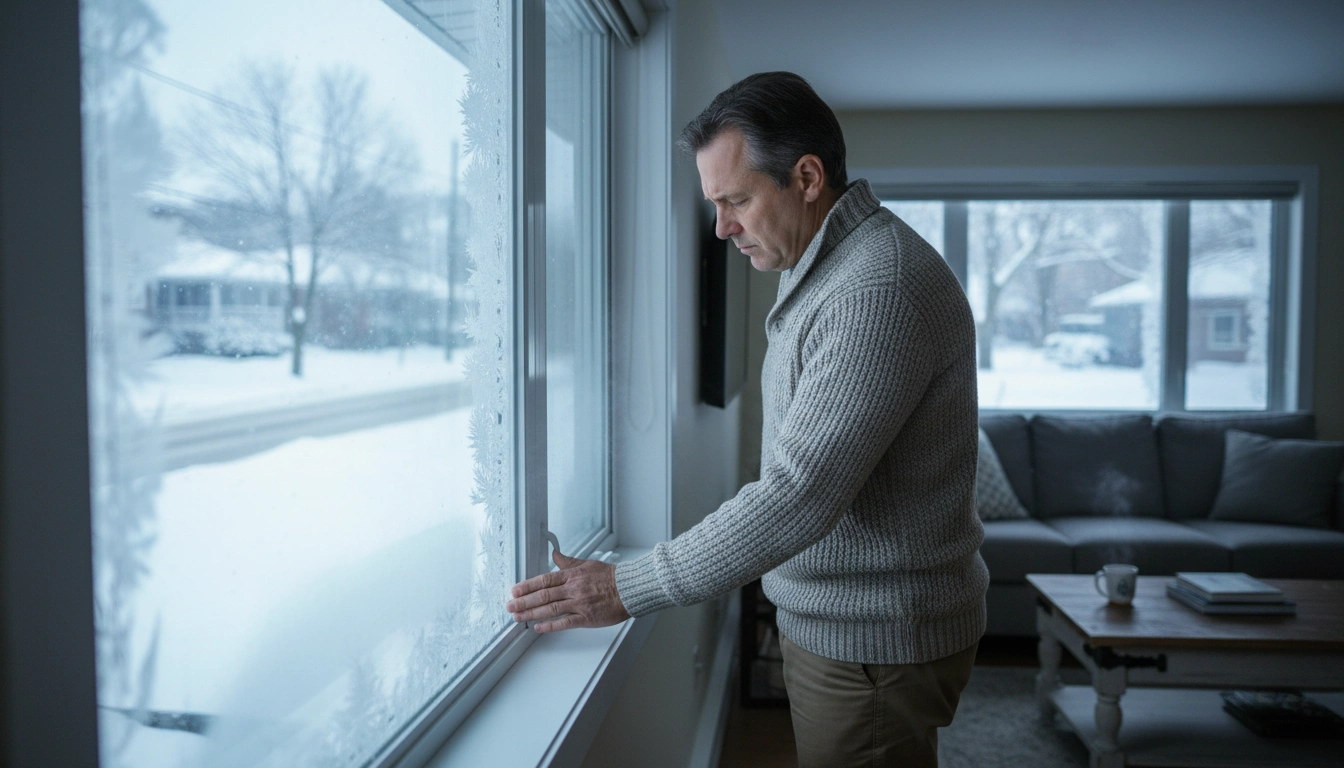
Montreal’s winter climate presents severe challenges, with January temperatures averaging around −9°C and frequent drops to −16°C or lower, combined with wind and freeze-thaw cycles. For homeowners prioritizing quality and long-term value, selecting climate-appropriate windows represents an essential investment rather than a luxury.
Triple-Pane Windows Explained: The Benchmark for Cold Climates
Triple-pane construction features three glass layers separated by two sealed air chambers, typically containing insulating gas. This design reduces heat transfer by up to 50% versus double-pane alternatives.
- Enhanced insulation: R-values around 5 or higher (compared to 3–3.8 for standard double-pane).
- Condensation resistance: Warmer interior glass surfaces prevent moisture buildup and mold risk.
- Noise reduction: 20–50% quieter, particularly valuable near highways and busy streets.
The initial investment typically recovers through energy savings within 5–10 years in Quebec’s heating-intensive climate.
Low-E Coated Windows Explained: Keeping Heat Where It Belongs
Low-emissivity coatings consist of microscopic metallic layers reflecting infrared heat indoors during winter while permitting natural light transmission.
- Reduced energy consumption: Stable temperatures year-round.
- Year-round performance: Manages both winter heat loss and summer gain.
- Clear views: No darkening tint – natural light passes through freely.
Window U-Value Guide: Choosing the Right Level of Insulation
U-value measures heat escape rates – lower values indicate superior insulation. For Montreal’s climate, aim for below 1.2 W/m²·K.
| Configuration | U-value | Heat-loss Reduction | Best For |
|---|---|---|---|
| Single pane | 5.0+ | Minimal | Not recommended |
| Double + Low-E | 1.4–1.8 | 7–12% savings | Moderate efficiency |
| Triple + Argon + Low-E | 0.9–1.2 | 25–40% savings | Harsh winters |
High-Performance Windows: Built for Montreal’s Extreme Conditions
Multi-chamber PVC frames combined with advanced glazing and airtight seals resist warping from salt exposure and humidity while delivering 20+ year performance.
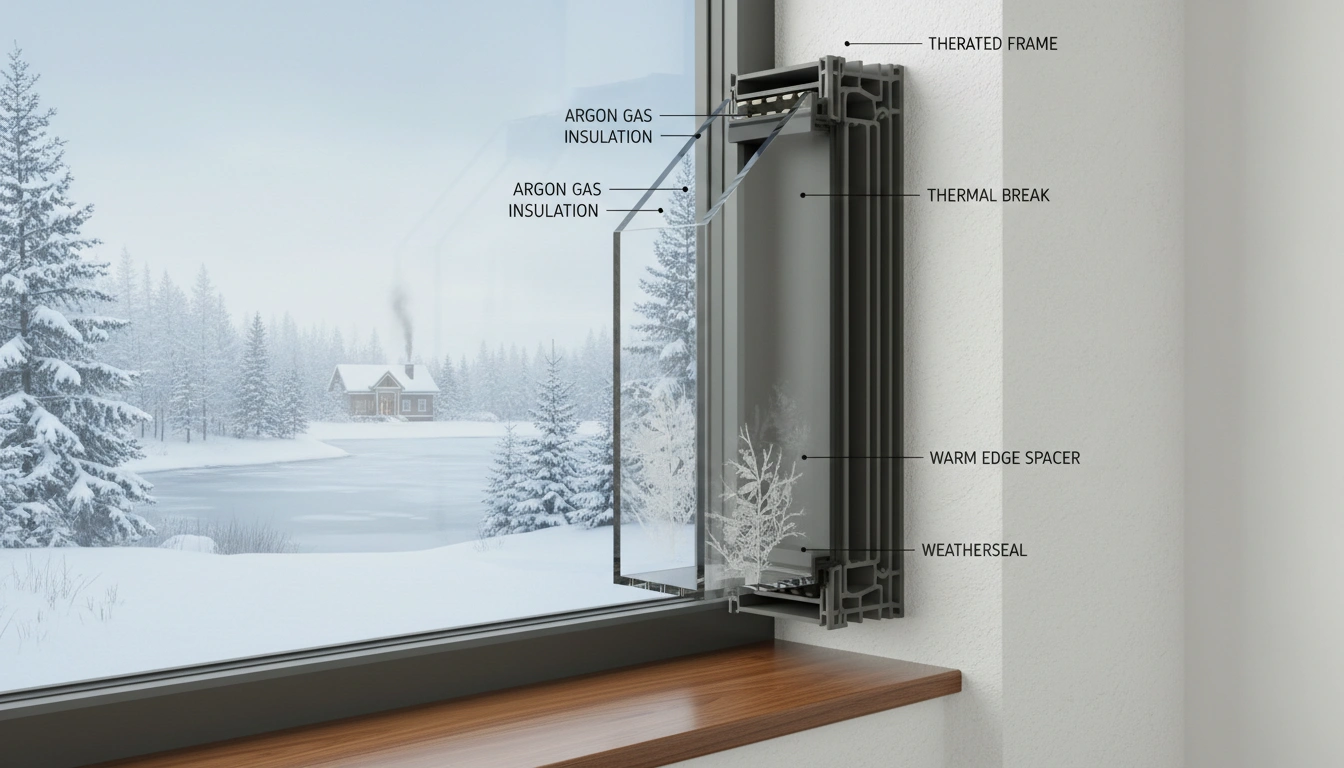
- Thermal breaks: Prevent heat conduction through frames.
- Impact resistance: Withstands ice and storms common in Montreal.
- Bill reductions: Energy savings of 20–45% versus older windows.
Casement and awning window styles suit local climate demands effectively.
Argon Gas and Other Upgrades for Enhanced Winter Protection
Argon gas fills inter-pane spaces, slowing heat conduction by 20–30% while remaining non-toxic and odorless. Combined with Low-E coatings and triple glazing, it establishes robust thermal barriers.
- Multi-chamber frames: Reduce thermal conduction through the frame itself.
- Warm-edge spacers: Limit perimeter condensation.
- Sound attenuation: Multiple layers trap sound waves for quieter interiors.
Choosing the Right Time and Maximizing Rebates
Spring and fall installations minimize disruption. Quebec’s Rénoclimat program offers $150 per opening, with federal grants reaching up to $5,000 for ENERGY STAR-certified models. Homeowners typically achieve 7–25% annual energy savings alongside reduced emissions and enhanced comfort.
Frequently Asked Questions
What makes triple-pane windows better for Montreal winters?
Triple-pane construction provides superior insulation through three glass layers and gas fills, reducing heat loss by up to 50% versus double glazing, while maintaining warmth during −16°C temperatures.
Is Low-E coating really useful in Quebec’s climate?
Yes. Low-E reflects interior heat indoors during winter while blocking UV rays, maintaining stable temperatures when combined with argon gas.
What U-value should I target in Greater Montreal?
A U-value of 1.2 W/m²·K or lower is recommended, with premium triple-pane achieving 0.9–1.2 to meet ENERGY STAR standards.
How much can I save on energy bills?
Homeowners typically see 10–30% heating cost reductions depending on home size and configuration, potentially amounting to hundreds annually.
When is the best time to replace windows in Montreal?
Spring and fall offer ideal conditions, though year-round replacement remains worthwhile if drafts exist.