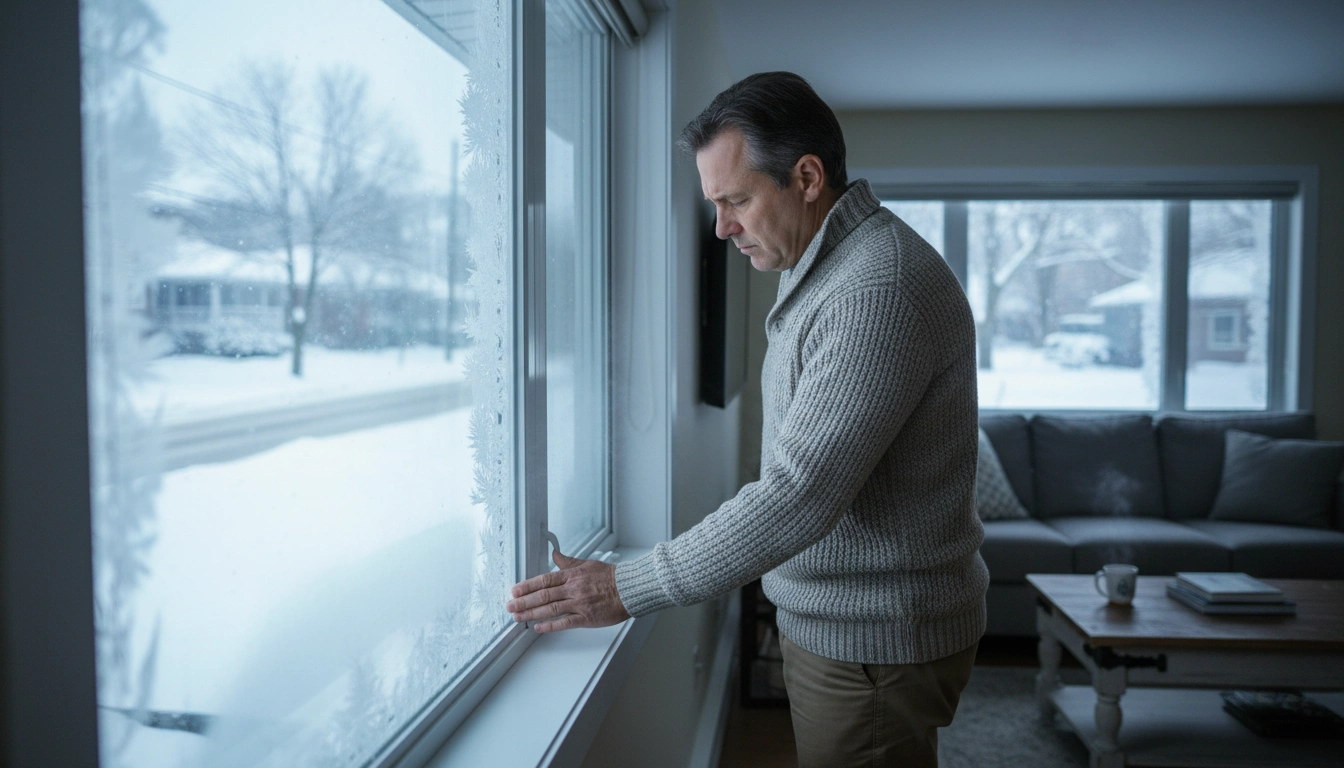
Montreal’s harsh winters, with January averages around −9°C and frequent dips well below −16°C, make choosing the right windows a critical decision for homeowners. Low-E (low-emissivity) technology features a microscopic metallic layer applied to the glass surface, reflecting infrared heat while letting visible light pass through. When combined with insulating gases or multiple panes, it delivers energy savings of 30–50% and UV blockage up to 95%.
We recently worked with a family in the West Island who noticed a remarkable improvement in comfort and heating costs after switching to Low-E coated glass. For middle-to-upper-income families seeking efficiency, this technology is an essential upgrade.
How Low-E Coatings Work: The Science Behind Better Insulation
The coating acts as a smart filter, bouncing long-wave infrared heat back indoors in winter and reflecting solar short-wave energy outward in summer. Applied via sputtering in a vacuum, it is thinner than a human hair yet remarkably effective.
- Hard-coat versions: Best suited for colder areas like Montreal, offering reliable heat retention.
- Soft-coat (multi-layer): Excels in mixed climates with superior UV protection across seasons.
- Fewer cold spots: Noticeably warmer surfaces near windows during −20°C wind chills.
- Bill reduction: Potential 7–12% annual savings for a typical Montreal household.
- Rebate eligibility: Qualifies for Quebec’s Rénoclimat rebate at $150 per rough opening when meeting ENERGY STAR standards.
Triple Pane Windows Explained: Pairing with Low-E for Maximum Protection
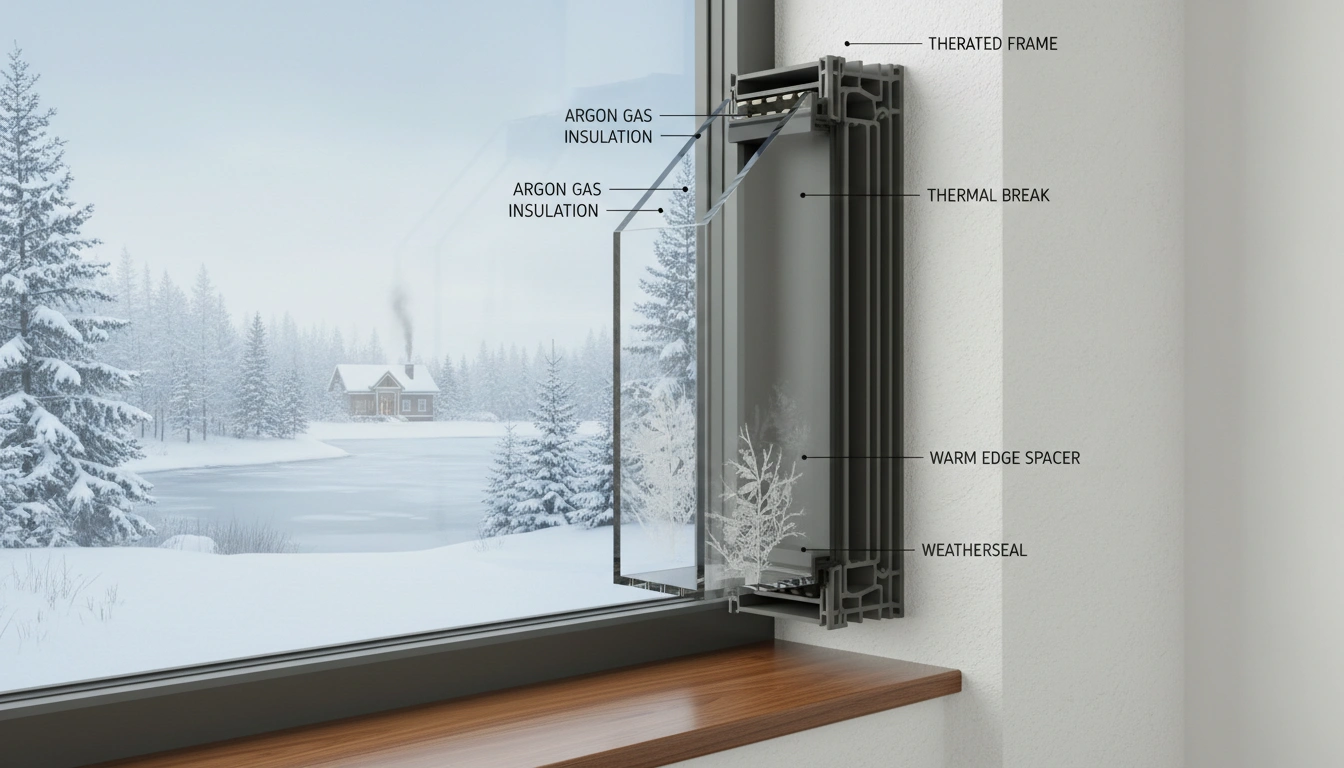
Triple-pane setups with Low-E create robust protection against freeze-thaw cycles. The setup includes three glass layers with insulating gaps and boosts thermal resistance (R-value around 5+ vs. 3–4 for double-pane).
- Heat loss reduction: Up to 50% less than standard double-pane windows.
- Superior U-factors: 0.9–1.2 W/m²·K for superior insulation performance.
- Noise reduction: Up to 50% quieter interiors, valuable near busy streets.
- Condensation resistance: Avoids mold and moisture damage in humid Quebec summers.
- Cost consideration: 10–15% pricier than double-pane, though ROI accelerates with rebates.
Argon Gas Windows Advantages: Boosting Low-E Performance
Argon gas filling slows heat conduction by 20–30%, amplifying Low-E’s reflective power. This reduces cold bridging and cuts bills by an extra 2–3% over air-filled units.
- Condensation control: Prevents foggy mornings by keeping inner glass warmer.
- Non-toxic: Eco-friendly, naturally occurring gas with no environmental impact.
- Minimal leakage: Only about 1% yearly in quality seals.
- Best pairing: Shines in triple-pane configurations for ultimate efficiency.
Energy Efficient Windows Benefits: Why Low-E Leads the Way
Low-E drives overall efficiency by retaining heat in winter and blocking solar gain in summer, reducing energy loss by 30–50%. In Quebec, this means potential $200–$600 yearly savings plus rebates through programs like Rénoclimat and Canada Greener Homes.
- UV protection: Blocks 84–95% of harmful rays, preserving fabrics and furnishings.
- Reduced carbon footprint: Aligns with Quebec’s green building incentives.
- Healthier air: Fewer drafts mean fewer allergens for improved indoor air quality.
Window U-Value Ratings Guide: Measuring Low-E Impact
U-value measures heat transfer – lower values indicate better insulation. Canada recommends 1.05 W/m²·K or below. ENERGY STAR requires a maximum of 1.22 or minimum ER 34, with Most Efficient at 1.05 or ER 40.
| Coating Setup | Typical U-Value (W/m²·K) | Energy Savings | Best For Montreal |
|---|---|---|---|
| Basic Double | 1.4–1.8 | 7–12% | Moderate winters |
| Low-E Double + Argon | 1.2–1.4 | 10–20% | Balanced use |
| Low-E Triple + Argon | 0.9–1.2 | Up to 25–40% | Harsh cold |
Window Glass Types Comparison: Finding the Right Low-E Fit
Comparing options reveals clear performance differences. Single-pane lags at U 5.0+, double with Low-E and argon hits 1.4–1.8, and triple tops at 0.9–1.2 for 20–40% savings. For Montreal, passive Low-E in triple-pane with argon balances heat gain and loss for year-round comfort.
Installation and Maintenance: Ensuring Long-Term Efficiency
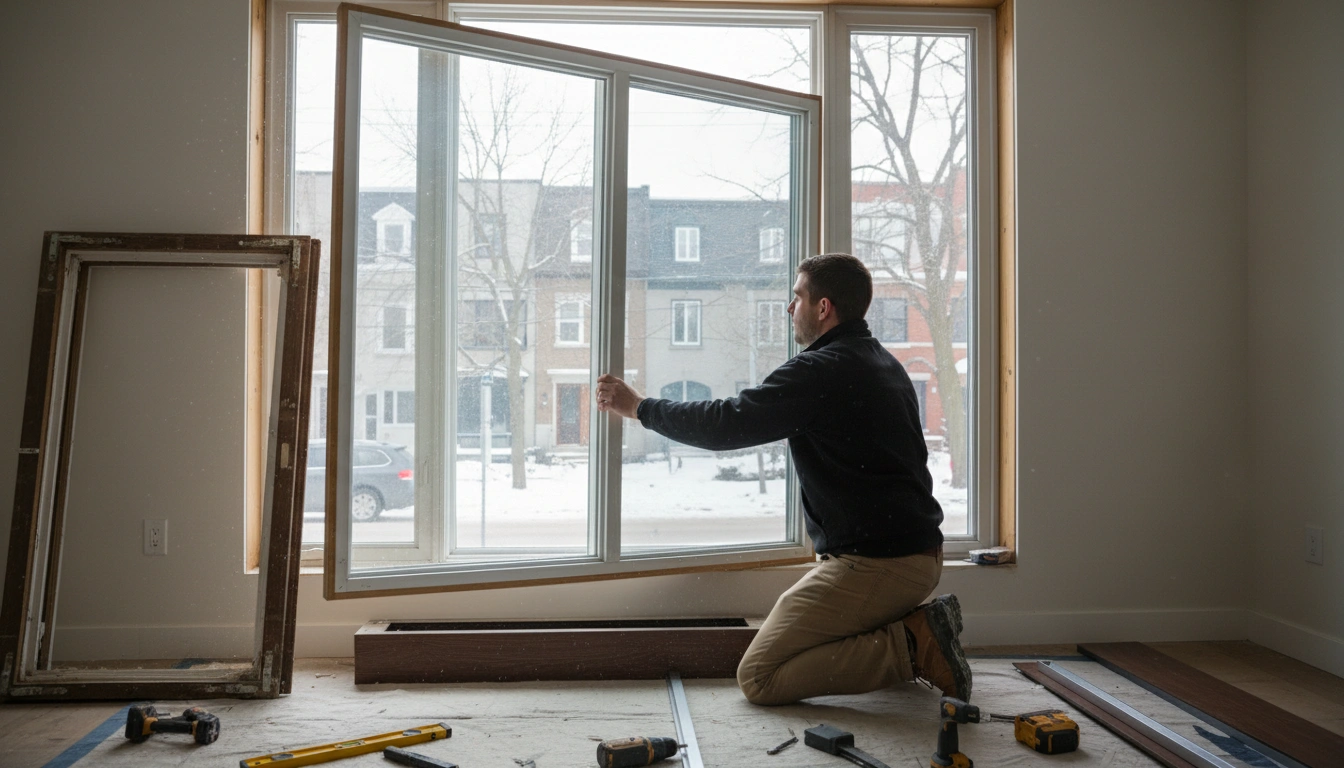
Proper fitting maximizes Low-E benefits – gaps negate the coating’s performance. Annual checks keep seals intact and ensure your investment continues to perform at its best. Work with certified installers who understand Montreal’s unique climate demands.
Frequently Asked Questions
What are Low-E coating windows?
Low-E coating windows feature thin metallic layers on the glass that reflect heat for better insulation, making them ideal for cold climates like Montreal.
How does argon gas enhance Low-E windows?
Argon gas slows heat transfer by 20–30%, boosting efficiency and reducing condensation when paired with Low-E coatings.
Are triple-pane windows with Low-E worth it?
Yes. For 25–40% energy savings in harsh winters, triple-pane with Low-E is an excellent investment, though 10–15% costlier than double-pane.
What is a good U-value for Quebec?
A U-value of 1.05 W/m²·K or lower is recommended for top efficiency and to qualify for rebates.
How do glass types compare for energy efficiency?
Low-E combined with argon gas and triple-pane construction outperforms basic double-pane by 20–50% in energy savings.