

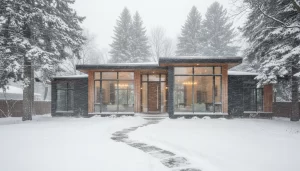
Montréal winters are particularly harsh. In January, average temperatures hover around –9°C, with frequent dips to –16°C or lower, combined with biting winds and repeated freeze–thaw cycles that put every home’s defenses to the test. Over the years, working with homeowners across Greater Montréal—from cozy homes in Laval to family residences in Brossard—I’ve seen just how much of a difference well-chosen windows can make. One couple in the West Island was fed up with cold drafts and a heating system that ran constantly. After a full replacement with high-quality, well-insulated models, their living room became noticeably warmer, street noise was reduced, and their Hydro-Québec bills dropped significantly. For middle- to high-income homeowners who prioritize quality, comfort, and long-term investments, choosing windows designed for Québec’s climate isn’t a luxury—it’s essential.
These upgrades aim to reduce heat loss, resist condensation, and deliver reliable year-round performance—without exaggerated promises. In this detailed guide, we’ll review the key features that stand out in our climate, supported by real performance data and practical advice. Whether you’re dealing with rising heating costs or simply want a quieter, more comfortable home, understanding these options will help you make an informed decision for turnkey residential projects.
Triple-Pane Windows Explained: The Benchmark for Cold Climates
Triple-pane windows are made up of three panes of glass separated by two sealed air spaces, often filled with insulating gas. This design creates a thermal barrier far superior to double-pane windows, reducing heat transfer by up to 50% in many cases. In Montréal’s demanding conditions—where extended periods below freezing are common—the extra pane effectively retains heat indoors and minimizes uncomfortable cold zones near large windows.
Based on real projects I’ve worked on, homeowners notice immediate improvements: more consistent warmth throughout rooms and heating systems that run less frequently. Key benefits include:
-
Enhanced insulation — Triple-pane windows increase the R-value (thermal resistance) to around 5 or higher when combined with insulating gas and high-performance coatings, compared to 3 to 3.8 for standard double-pane units.
-
Condensation resistance — A warmer interior glass surface reduces moisture buildup, lowering the risk of mold during Québec’s humid winters.
-
Noise reduction — Up to 20–50% less interior noise, a major advantage for homes near highways or busy streets, such as in Longueuil.
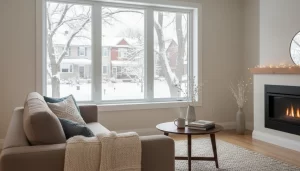
Even though the initial cost is higher, energy savings generally allow you to recoup your investment in 5 to 10 years thanks to reduced bills—a particularly important advantage in Quebec, where heating represents a major portion of a household’s energy expenses. If your current windows struggle to effectively protect you from the cold, triple-glazed models are often the recommended solution for lasting comfort.
Considering this option? Discover triple-glazing solutions tailored to your needs at Unisson Groupe during a no-pressure consultation.
Low-E Coated Windows Explained: Keeping Heat Where It Belongs
Low-emissivity (Low-E) coatings are ultra-thin, microscopic metallic layers applied to the surface of glass. Their purpose is to reflect infrared heat back into the home during winter while still allowing natural light to pass through. This helps retain warmth without darkening rooms or blocking daylight—an important benefit during Montréal’s short winter days.
In practice, I’ve found that Low-E coatings make a noticeable difference in north-facing homes or properties exposed to strong winds. They reflect 85–97% of UV rays, protecting floors and furniture, and significantly reduce heat loss when combined with multi-pane glazing. For Québec conditions, coatings such as Low-E 180 are designed to maximize heat retention in winter, while more balanced options also help manage summer humidity.
Key benefits:
-
Reduced energy consumption — Helps maintain stable indoor temperatures and reduces strain on the heating system.
-
Year-round performance — Limits unwanted heat gain in summer, improving overall efficiency.
-
Clear, bright views — No dark tint; your yard or Montréal landscape remains well lit.
Pairing Low-E coatings with insulating gas fills further enhances performance, making them a core component of any energy-efficient upgrade. If you’ve noticed cold or fogged windows, Low-E may be the solution you’re looking for.
Discover Low-E coated window options suited to local conditions at Unisson Groupe.
Window U-Value Guide: Choosing the Right Level of Insulation
The U-value (or U-factor) measures how quickly heat escapes through a window—the lower the number, the better the insulation performance. In cold climates like Montréal’s—part of Canada’s northern zones—it’s recommended to target a U-value of 1.2 W/m²·K or lower for double-pane windows, and ideally between 0.9 and 1.2 for triple-pane configurations to maximize winter resistance.
Hydro-Québec and Natural Resources Canada emphasize low U-values for Québec homes, especially since ENERGY STAR® certification now requires a consistently high national performance level (previously divided by climate zones). In Greater Montréal, a solid benchmark is below 1.4 W/m²·K overall, with top-performing models reaching 0.8 to 1.0 when fully optimized.
Quick comparison table:
| Window configuration | Typical U-value (W/m²·K) | Winter heat-loss reduction | Best suited for |
|---|---|---|---|
| Single pane (obsolete) | 5.0+ | Minimal | Not recommended |
| Double pane + Low-E | 1.4–1.8 | 7–12% savings | Moderate efficiency |
| Triple pane + argon + Low-E | 0.9–1.2 | Up to 25–40% savings | Harsh Montréal winters |
Lower U-values can also qualify homeowners for certain financial incentives and deliver a faster return on investment. I’ve frequently helped clients verify these ratings using official product lists to ensure they meet—or exceed—current standards, avoiding guesswork.
For tailored recommendations based on your property, visit Unisson Groupe for a professional evaluation.
High-Performance Windows: Built for Montréal’s Extreme Conditions
High-performance windows combine multi-chamber PVC (uPVC) frames, advanced glazing, and airtight seals to provide complete protection against wind, snow, and ice. They resist warping caused by salt exposure and humidity fluctuations common in our region, while delivering over 20 years of reliable performance.
During consultations in Pointe-Claire and Côte-Saint-Luc, these models consistently stand out for:
-
Thermal breaks — Insulated or foam-filled frames that prevent thermal bridging.
-
Impact resistance — Better durability against ice buildup and winter storms.
-
Overall return on investment — Potential energy-bill reductions of 20–45%, plus increased property value.
Styles such as casement windows (excellent air-tightness) and awning windows (effective protection against rain and snow) are particularly well suited to the local climate. Many of these models also qualify for Québec rebate programs, making premium options more accessible.
Ready to explore durable, high-performance windows? Trust Unisson Groupe, local experts in turnkey residential installations.
Argon Gas and Other Upgrades for Enhanced Winter Protection
Argon gas—denser than air—is used to fill the spaces between panes, slowing heat conduction by 20–30%. Non-toxic and odorless, it improves insulation without adding weight. When combined with Low-E coatings and triple glazing, it creates a strong thermal barrier against Montréal’s cold snaps.
Other smart features to consider:
-
Multi-chamber frames to reduce thermal conduction
-
Warm-edge spacers to limit condensation around the glass perimeter
-
Sound attenuation for quieter evenings
These enhancements turn good windows into exceptional ones, especially in exposed locations.
As a dedicated residential specialist, Unisson Groupe (https://unissongroupe.ca/) focuses exclusively on high-end window projects—from the initial assessment to meticulous installation—to ensure optimal performance in Québec’s climate.
Choosing the Right Time and Maximizing Rebates
Spring and fall installations minimize disruption, but with available incentives—such as Québec’s Rénoclimat program offering $150 per opening, or former federal grants of up to $5,000 for ENERGY STAR-certified models—planning ahead is especially beneficial. Homeowners can expect 7–25% annual energy savings, reduced emissions, and greater comfort.
Don’t let another winter affect your comfort or budget. If drafts, high bills, or noise persist, it’s time to act.
Contact Unisson Groupe today for a free in-home consultation and discover windows designed to meet Montréal’s climate demands.
FAQ
1. What makes triple-pane windows better for Montréal winters?
Triple-pane windows provide superior insulation through three layers of glass and insulating gas fills, reducing heat loss by up to 50% compared to double glazing. They retain warmth during –16°C temperatures and significantly reduce condensation.
2. Is Low-E coating really useful in Québec’s climate?
Yes. Low-E reflects interior heat back indoors during winter while blocking UV rays. It helps maintain stable temperatures and protects interior surfaces, especially when combined with argon gas.
3. What U-value should I target in Greater Montréal?
A U-value of 1.2 W/m²·K or lower is recommended. For premium triple-pane windows, 0.9–1.2 is ideal to meet ENERGY STAR standards and maximize savings.
4. How much can I save on energy bills?
Homeowners typically see 10–30% reductions in heating costs, depending on home size and configuration—often amounting to hundreds of dollars per year, plus eligibility for rebates.
5. When is the best time to replace windows in Montréal?
Spring and fall offer ideal conditions, but rebates and incentives make replacement worthwhile year-round if issues like drafts exist. Professional teams can also work efficiently during winter.