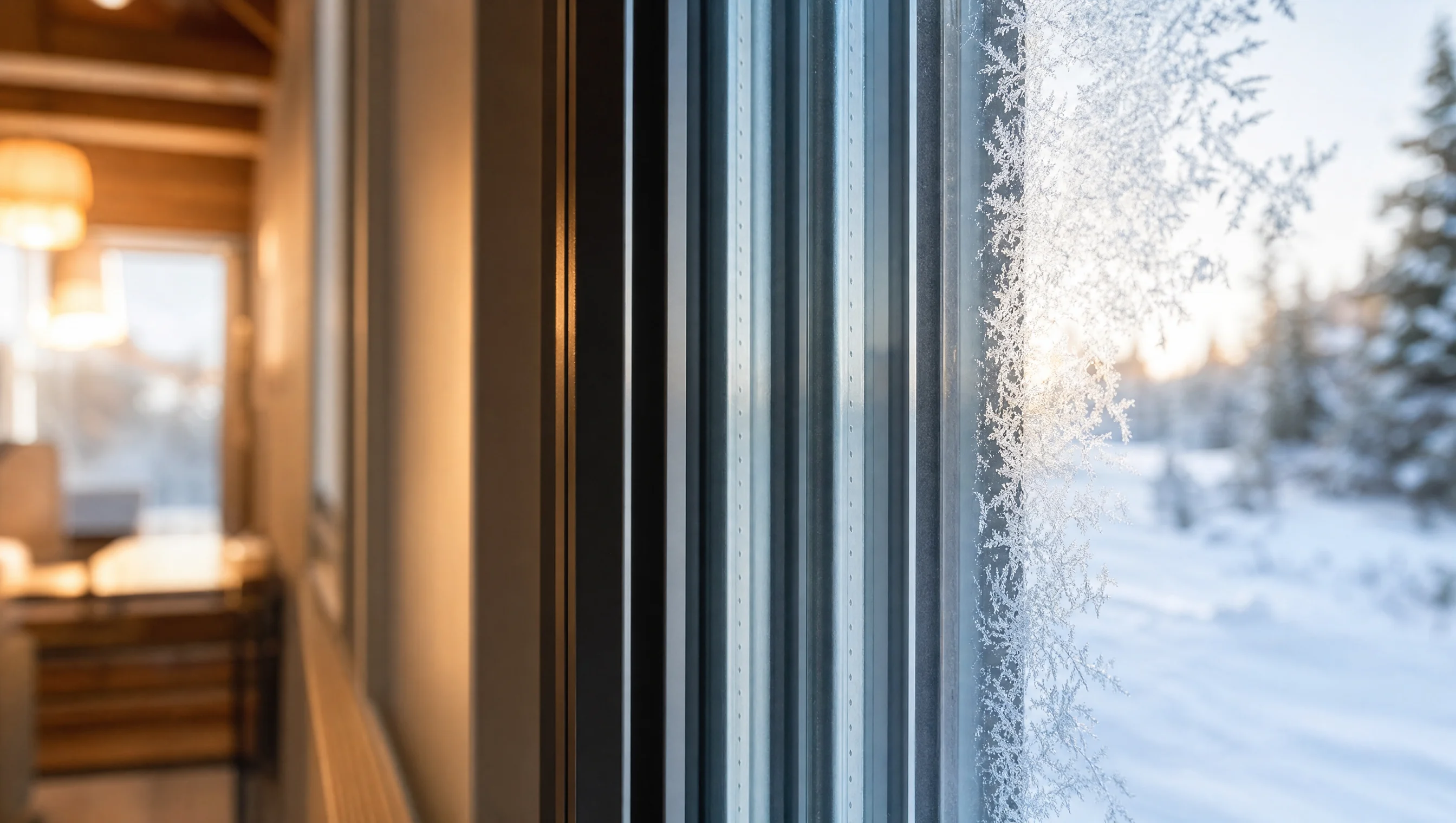
Every spring, a new ENERGY STAR list reshuffles which windows truly earn the badge of efficiency. For Quebec homeowners facing minus-25 mornings and August humidity alike, the 2026 ENERGY STAR Most Efficient designation is more than marketing — it is a roadmap to lower bills and bigger rebates. Here is what the label actually certifies and how to read it before you buy.
Certified vs. Most Efficient: Two Different Bars
Most shoppers assume "ENERGY STAR" is a single standard, but there are really two tiers, and the gap between them matters in our climate. ENERGY STAR certified is the baseline: a window that meets the minimum performance requirements for the zone where it is sold. It is a solid, code-friendly threshold that thousands of products meet across Canada.
ENERGY STAR Most Efficient is a far smaller club. Each year, Natural Resources Canada (NRCan) recognizes only the top-performing products — typically the best 15 to 20 percent of certified models — that exceed the standard requirements by a meaningful margin. These windows are engineered with the lowest heat loss and the most refined glazing packages on the market.
For a Montreal or Laval home, that distinction can translate into hundreds of dollars a year and noticeably warmer glass surfaces in January. When a manufacturer lists a product as Most Efficient 2026, it is signalling laboratory-verified performance, not a generic claim. That is the tier worth chasing if comfort and rebates are your priorities.
The 2026 Criteria: U-Factor, SHGC and ER
Window performance comes down to three numbers, and understanding them lets you compare any two products honestly. U-factor measures how much heat escapes through the assembly; lower is better, and the most efficient 2026 windows push toward roughly 1.05 W/(m²·K) or lower (about 0.18 in imperial units). Solar Heat Gain Coefficient (SHGC) describes how much of the sun’s warmth passes through the glass — a moderate value helps with winter passive heating without overheating south-facing rooms in summer.
The Energy Rating (ER) combines solar gain, heat loss and air leakage into a single score, where higher is better. For ENERGY STAR Most Efficient 2026, NRCan sets elevated ER thresholds that ordinary certified windows rarely reach. A higher ER essentially means the window gives back more free solar heat than it loses on a typical heating-season day.
When you compare quotes, ask the supplier for the U-factor, SHGC and ER on the exact configuration you are buying — not the brand’s best-case sample. Operating style, glass coatings and frame size all shift these numbers. The label on the actual unit is the only figure that counts.
- U-factor: total heat loss — aim as low as possible (lower = warmer glass).
- SHGC: solar heat admitted — a balanced value suits Quebec’s mixed seasons.
- ER (Energy Rating): a single combined score — higher qualifies for Most Efficient.
- Air leakage: tested at A3 for the tightest, draft-free assemblies.
Why Climate Zone D Defines Quebec
ENERGY STAR Canada divides the country into climate zones based on heating-degree days, and most of Quebec — including Montreal, Laval and the South Shore — falls in Zone D, the coldest and most demanding category. A window that earns Most Efficient in Zone D has to control heat loss far more aggressively than the same model would need to in milder Vancouver or Toronto.
This is why a product certified for a warmer zone is not automatically the right choice here. When you read a spec sheet, confirm the window qualifies specifically for Zone D, not simply "ENERGY STAR certified" in general. NRCan’s product lists let you filter by zone so you can verify it yourself.
Quebec’s freeze-thaw cycling adds a second layer of demand. A frame and seal that perform brilliantly in October must still hold their geometry after dozens of swings between thaw and deep freeze. Zone D qualification is your shorthand assurance that a window was validated for exactly these conditions.
What Engineering Gets a Window onto the List
No single feature earns Most Efficient status — it is the combination of several working together. Triple glazing is almost universal among 2026 winners in Zone D: two insulating air or gas-filled cavities slash heat loss compared with double glazing, and they keep the inner pane warm enough to prevent the condensation that plagues many Quebec windows in winter.
Low-emissivity (low-E) coatings are microscopically thin metallic layers that reflect interior heat back into the room while still letting daylight through. Combined with argon or krypton gas fills, they do most of the heavy lifting on the U-factor. Warm-edge spacers — the strip that separates the panes around the perimeter — replace conductive metal with low-conductivity materials, eliminating the cold ring of condensation at the glass edge.
Finally, the frame matters as much as the glass. Insulated multi-chamber uPVC or fibreglass frames stop the assembly from leaking heat around the edges. Explore the full range of high-performance options on our windows page, where every series is built with Zone D in mind.
- Triple glazing with two insulating cavities for warmer interior glass.
- Low-E coatings plus argon or krypton fills to cut radiant heat loss.
- Warm-edge spacers to eliminate edge-of-glass condensation.
- Insulated multi-chamber frames in uPVC or fibreglass.
The Real Energy-Bill Impact
Windows are responsible for a surprising share of a home’s heat loss — often 20 to 25 percent in older Quebec houses with aging double-pane units. Upgrading a full home to ENERGY STAR Most Efficient triple-glazed windows can trim heating costs by several hundred dollars annually, depending on your home’s size and how leaky the old units were.
Because most Quebec homes heat with Hydro-Québec electricity, the savings show up directly on your monthly bill rather than in oil or gas deliveries. The comfort dividend is just as real: warmer glass surfaces eliminate the cold draft that radiates off old windows, so you can place a sofa or desk right against the wall without feeling the chill.
Payback periods vary, but the combination of lower bills, improved comfort and available rebates shortens the math considerably. Over a 25-year window lifespan, the cumulative energy savings frequently exceed the price premium of the most efficient tier.
Tying Efficiency to Rebates
The 2026 label is not just about comfort — it is your ticket to financial incentives. Quebec’s Rénoclimat program rewards measurable improvements in a home’s energy performance, and replacing inefficient windows with high-ER ENERGY STAR units is one of the clearest ways to move your evaluation score. An energy advisor’s before-and-after assessment documents the gain.
Federal programs such as Canada Greener Homes have historically supported window upgrades that meet ENERGY STAR requirements, and choosing Most Efficient models maximizes the performance gain that drives those grants. Program details and budgets change year to year, so confirm current eligibility before you sign a contract.
Keep every document: the NRCan label, the manufacturer’s performance sheet and the installer’s invoice. Rebate administrators want proof that the installed product actually carries the certification, and a tidy paper trail prevents delays. Our team can supply the certification documentation you will need.
How to Verify a Product Actually Qualifies
Claims are easy; verification is what protects your investment. Start by asking for the specific model name and configuration, then search the NRCan ENERGY STAR product database filtered to Zone D — if the exact unit appears on the Most Efficient list, you have your confirmation. The permanent label on the spacer or frame should match.
Be wary of vague phrasing like "ENERGY STAR rated" without a zone or an ER figure. A reputable manufacturer will hand you the U-factor, SHGC, ER and air-leakage rating without hesitation, because the numbers are their selling point. If a salesperson cannot produce them, treat that as a red flag.
When you are ready to compare real, Zone D–qualified products built for Quebec winters, browse our lineup on the windows page or reach out for a tailored quote. The right label today is the lower bill and the bigger rebate tomorrow.
Frequently Asked Questions
Is ENERGY STAR Most Efficient really better than ENERGY STAR certified?
Yes. Certified means a window meets the minimum threshold for its climate zone, while Most Efficient recognizes only the top-performing products that exceed those requirements. In Zone D, that difference shows up as warmer glass and lower heating bills.
Which climate zone applies to Montreal and the South Shore?
Most of Quebec, including Montreal, Laval and the South Shore, sits in Climate Zone D — the coldest ENERGY STAR zone in Canada. Always confirm a window qualifies for Zone D specifically, not just generic certification.
Do I need triple glazing to qualify in 2026?
In practice, nearly all ENERGY STAR Most Efficient windows for Zone D in 2026 use triple glazing combined with low-E coatings and warm-edge spacers. Double glazing rarely reaches the elevated Energy Rating thresholds required.
Will efficient windows help me get a Rénoclimat rebate?
Yes. Rénoclimat rewards measurable energy-performance gains, and high-ER ENERGY STAR windows are an effective way to improve your evaluation. Keep the NRCan label and installer invoice as proof for your file.
How much can I actually save on my Hydro-Québec bill?
Savings depend on your home and the windows you replace, but a full upgrade from old double-pane units can trim heating costs by several hundred dollars a year. Comfort improvements from warmer glass are immediate and ongoing.
How do I confirm a specific window is on the Most Efficient list?
Ask for the exact model and configuration, then search the NRCan ENERGY STAR database filtered to Zone D. If the unit appears on the Most Efficient list and the on-product label matches, the qualification is verified.